
Submit your Roadless Rule comment HERE if you haven’t already done so.
These are the remarks I submitted to the U.S. Department of Agriculture, the parent agency of the U.S. Forest Service. You may copy and paste these for your remarks, but submit them immediately.
Not only do my family and I strongly oppose the U.S. Department of Agriculture’s unnecessary proposal to eliminate or weaken the Roadless Area Conservation Rule, but rolling this policy back serves no purpose, provides no savings, and has zero support among the public. No one is calling for this. The research and outreach undertaken by the U.S. Forest Service under then-Chief Mike Dombeck from 1998 to 2001 still stands, and remains entirely valid. This action is reckless, will devastate our public lands, waste taxpayer resources, and undermine the clean drinking water, wildlife habitat, and recreation opportunities that millions of Americans depend on and enjoy.
The economics of eliminating the Roadless Rule don’t add up. You know this. Building new logging roads in remote backcountry areas is expensive, and leaves taxpayers with billions of dollars in long-term maintenance costs for roads that are rarely, if ever, used. At the same time, logging roadless forests degrades essential services our economy already relies on. National Forests supply drinking water to millions of Americans, support a multi-billion dollar American outdoor recreation industry, and provide wildlife habitat and world-class carbon storage. Sacrificing these values for short-term logging profits isn’t sound policy, it’s just greedy and stupid, with the consequences falling squarely on the back of American taxpayers. It is a net loss for communities, economies, and future generations.
Beyond the economic ridiculousness of the proposed rollback, the environmental consequences are SEVERE. Roadless forests represent some of the most intact, resilient ecosystems left in the United States. They filter and store clean water, provide refuge for vulnerable species, and serve as critical carbon sinks in the fight against climate change. These values may not be important to you, but they are paramount to us.
Like toothpaste out of a tube, once roads and clearcuts fragment these landscapes, the damage is permanent. More roads in the backcountry also mean more fires. Wildfires are four times more likely to ignite near roads. Fighting those fires in remote areas is dangerous, costly, and diverts resources from protecting communities. And thanks to this administration, capable and patriotic U.S. Forest Service staff that would manage wildfires and their fallout have been needlessly EVISCERATED. Roads also spread invasive species, further fragment wildlife habitat and corridors, and erode the very ecological resilience we must retain in a warming climate.
Equally troubling is the USDA’s decision to pursue this rollback through an abridged and inadequate public comment process. The original Roadless Rule was created after the most extensive public engagement process in the history of federal rulemaking, with over 95 percent of commenters supporting strong protections. Now the agency is attempting to dismantle these protections through a rushed process that deliberately limits input from citizens, scientists, Tribes, and local communities. This is undemocratic and deeply irresponsible for decisions of such sweeping consequence.
For nearly 25 years, the Roadless Rule has been a cornerstone of sound forest management on our federal public lands, balancing ecological, economic, and cultural values. Weakening or repealing it is a grave mistake. I urge the USDA to abandon this misguided, unnecessary effort and, instead, strengthen its commitment to protecting America’s roadless forests for the clean water, climate resilience, recreation, and biodiversity they provide my family and I, and all Americans. All the USDA, Forest Service, and the federal government has to do is LEAVE IT ALONE.
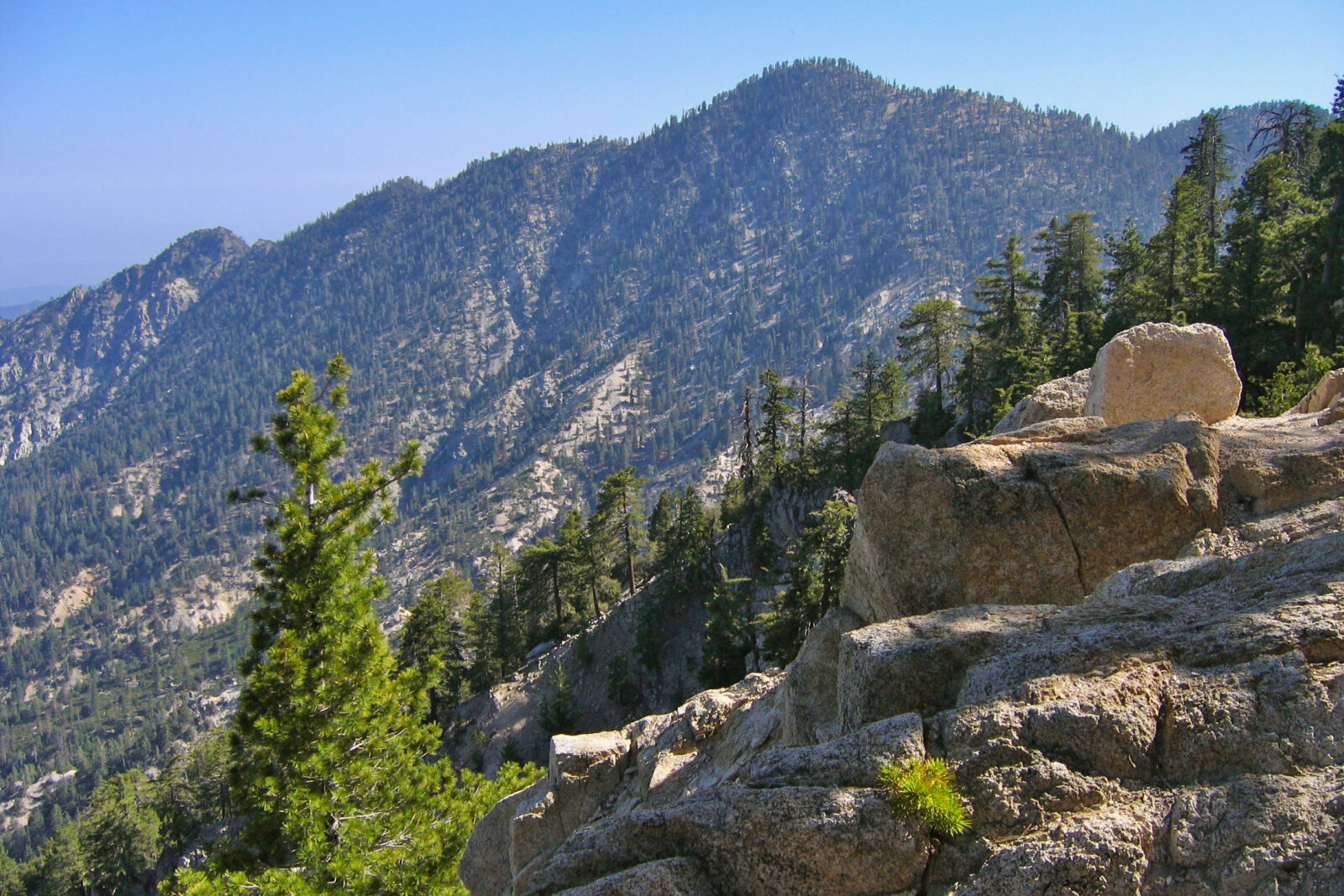
Banner photo of the San Gabriel Mountains by Tommy Hough, © 2009.